Simulators
State-of-the-Art Training Environment
Aeronautics understands that the human factor is vital to UAS mission success. This is why it has gone beyond supplying world-class unmanned aerial systems by developing a comprehensive simulator environment designed to optimize the training process for both UAS operators and mission commanders.
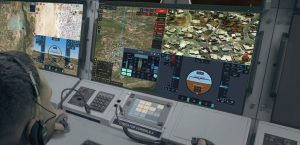
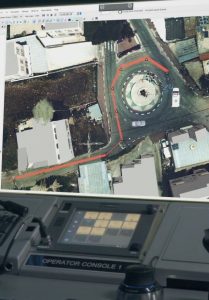
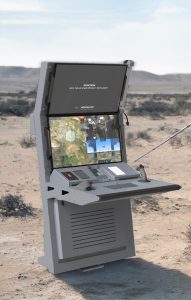
Covering all mission aspects and challenges, the simulator uses the Real Military Equipment (RME) used by operators during real missions, ensuring unparalleled fidelity and a seamless transition from training to real-world battlefield scenarios. Using this simulator is proven to reduce the flight hours and system wear required to maintain flight proficiency for UAS operators.
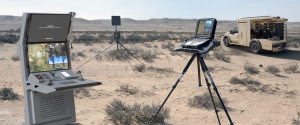
The advanced Aeronautics simulator environment connects to the real Ground Control Station (GCS) operational hardware and also supports connectivity with external simulators for complex cross-forces training.
Covering all mission aspects and challenges, the simulator uses the Real Military Equipment (RME) used by operators during real missions, ensuring unparalleled fidelity and a seamless transition from training to real-world battlefield scenarios. Using this simulator is proven to reduce the flight hours and system wear required to maintain flight proficiency for UAS operators.
The advanced Aeronautics simulator environment connects to the real Ground Control Station (GCS) operational hardware and also supports connectivity with external simulators for complex cross-forces training.